Showing posts with label Pope Leo XIII. Show all posts

Friday, January 23, 2015

Don Bosco's Popes: Leo XIII

The following comes from the SDB.org site:

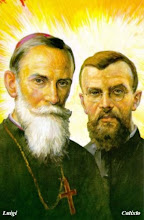
Vincenzo Gioachino Pecci was born in Carpineto (Frosinone) on the 2nd March 1810. He was elected Pope on the 20th February. 1878. He died on 20th July 1903.St. John Bosco had his first private audience with Leo XIII on 16th March 1878; the Pontiff agreed to become the first Salesian Cooperator. He always dealt warmly with the Saint, somewhat unusual for this Pope who was rather serious and reserved. It was due to the Pope that in 1884 the Salesian Society was granted all the privileges that the Redemptorists already had but which were usually granted only after many years of deserving work. These privileges, however, were absolutely necessary for Don Bosco’s Congregation as it rapidly, even prodigiously took shape. He erected the first Vicariate Apostolic entrusted to the Salesians, nominating the first bishop in the person of Bishop Cagliero (30th October 1883). In the first audience given to Don Rua (1888), he offered his belief that Don Bosco was a saint; he gave much advice to help consolidate the Society.

Monday, November 5, 2012

Pope Leo XIII On America and George Washington

As we are on the eve of another American election (and Guy Fawkes Day) it might be good to recall the words of Pope Leo in regard to the Father of our County.  The following comes from the Vatican site on the Encyclical On Catholics in the USA: 

“Nor, perchance did the fact which We now recall take place without some design of divine Providence. Precisely at the epoch when the American colonies, having, with Catholic aid, achieved liberty and independence, coalesced into a constitutional Republic the ecclesiastical hierarchy was happily established amongst you; and at the very time when the popular suffrage placed the great Washington at the helm of the Republic, the first bishop was set by apostolic authority over the American Church. The well-known friendship and familiar intercourse which subsisted between these two men seems to be an evidence that the United States ought to be conjoined in concord and amity with the Catholic Church. And not without cause; for without morality the State cannot endure-a truth which that illustrious citizen of yours, whom We have just mentioned, with a keenness of insight worthy of his genius and statesmanship perceived and proclaimed. But the best and strongest support of morality is religion.”